Whitening is the most oversold claim in oral care, and natural brands are not immune to it. The useful distinction is simple: toothpaste can remove stain sitting on top of your enamel. It cannot change the color of the tooth underneath. Once you accept that line, choosing gets easy.
New to this topic? Read our full natural toothpaste guide — fluoride free vs. hydroxyapatite, ingredients worth paying for, and what to avoid.
Extrinsic vs. intrinsic stain
Extrinsic stain is coffee, tea, red wine, and tobacco film on the enamel surface — toothpaste handles this well. Intrinsic color comes from the dentin beneath and from aging; only peroxide-based bleaching changes it. No natural toothpaste on the market alters intrinsic color, and any that claims to is overstating.
What works in a natural formula
- ●Hydrated silica — a low-abrasion polish that lifts surface film
- ●Baking soda — mild stain removal plus acid neutralization
- ●Papain or bromelain — enzymes that loosen protein-bound stain
- ●Nano-hydroxyapatite — restores enamel's natural light-scattering brightness over weeks
Why charcoal is the wrong tool
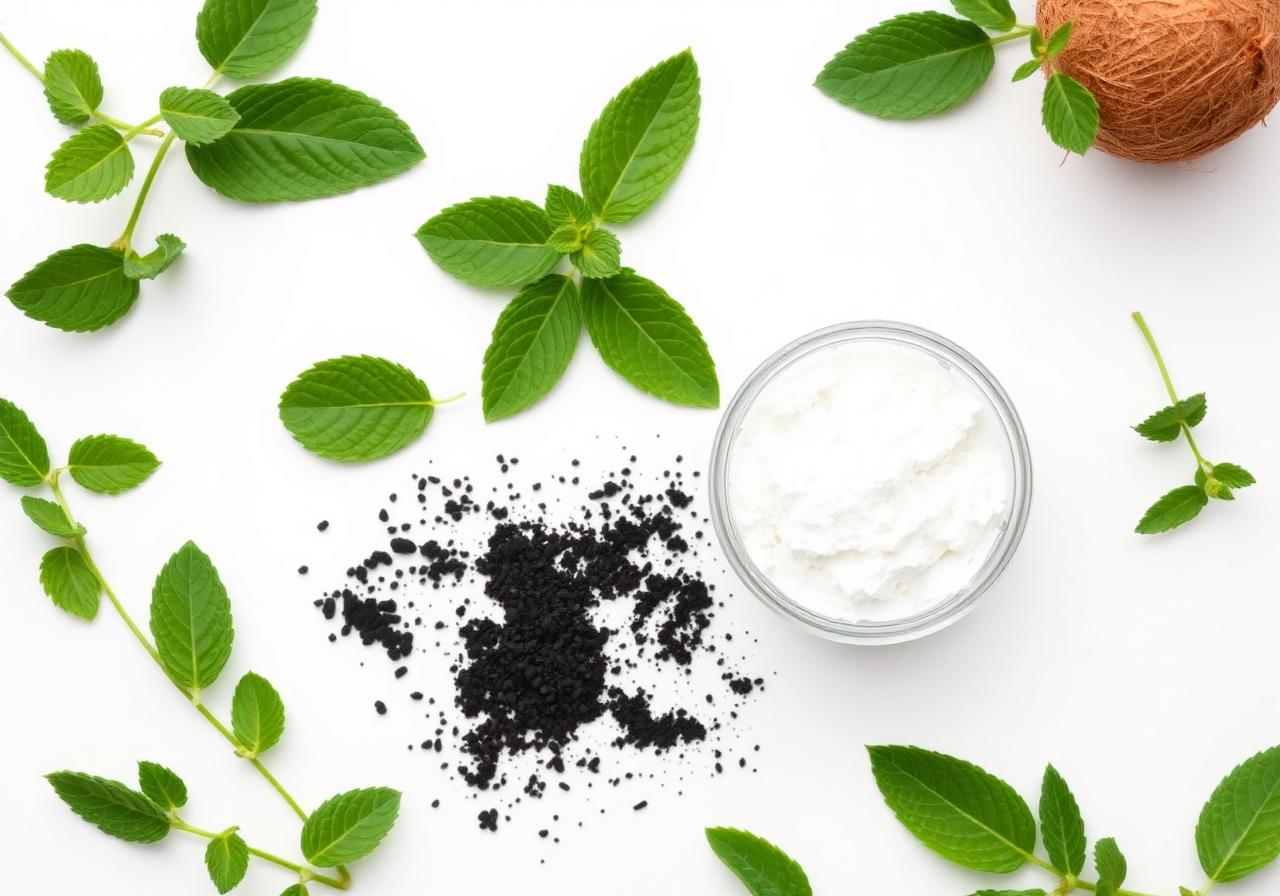
Activated charcoal is abrasive and unregulated for particle size. It scrubs off stain and enamel alike, and thinned enamel exposes yellower dentin — so a charcoal habit can leave teeth visibly darker after a year. Dental associations have repeatedly cautioned against daily use.
"The whitest a toothpaste can make you is your own enamel, clean."
Setting expectations
Expect a visible reduction in surface stain over two to four weeks of consistent use. Expect the effect to plateau. If you want a shade change beyond that, whitening strips or an in-office treatment is the honest path — a natural paste is what you use to maintain the result.
Frequently asked questions
What is the best natural whitening toothpaste?
Look for hydrated silica or baking soda for stain removal plus nano-hydroxyapatite to keep enamel dense and bright — and a stated low RDA. Avoid charcoal formulas, which abrade enamel and can darken teeth over time.
Is charcoal toothpaste safe?
Not for daily use. Charcoal particle size is unregulated and abrasive, and enamel loss exposes the yellower dentin underneath.
A good natural whitening toothpaste polishes gently and protects enamel. Anything promising shades of change in days is selling abrasion.