If a sip of iced water sends a jolt through a tooth, you are not imagining it and you are not fragile. Sensitivity has a physical cause, it is common, and in most cases it improves with the right paste and a gentler routine. Here is what to change.
New to this topic? Read our full natural toothpaste guide — fluoride free vs. hydroxyapatite, ingredients worth paying for, and what to avoid.
What sensitivity actually is
Under your enamel sit thousands of microscopic tubules leading to the nerve. When enamel thins or gums recede, those tubules open and temperature and pressure travel straight down. Relief comes from two directions: sealing the tubules, or quieting the nerve.
Natural actives that help
- ●Nano-hydroxyapatite — physically occludes open tubules and rebuilds surface enamel
- ●Arginine — plugs tubules with a calcium-rich layer
- ●Potassium nitrate — calms nerve signalling rather than sealing (effective, less 'natural')
- ●Aloe and chamomile — soothe irritated gum tissue at the margin
The ingredient making it worse
SLS. The foaming detergent strips the protective mucin layer from soft tissue, and for people already dealing with recession or canker sores it amplifies discomfort. Switching to an SLS-free paste is the single change most people notice first.
Habits that matter as much as the tube
- ●Soft bristles and light pressure — hard brushing causes recession
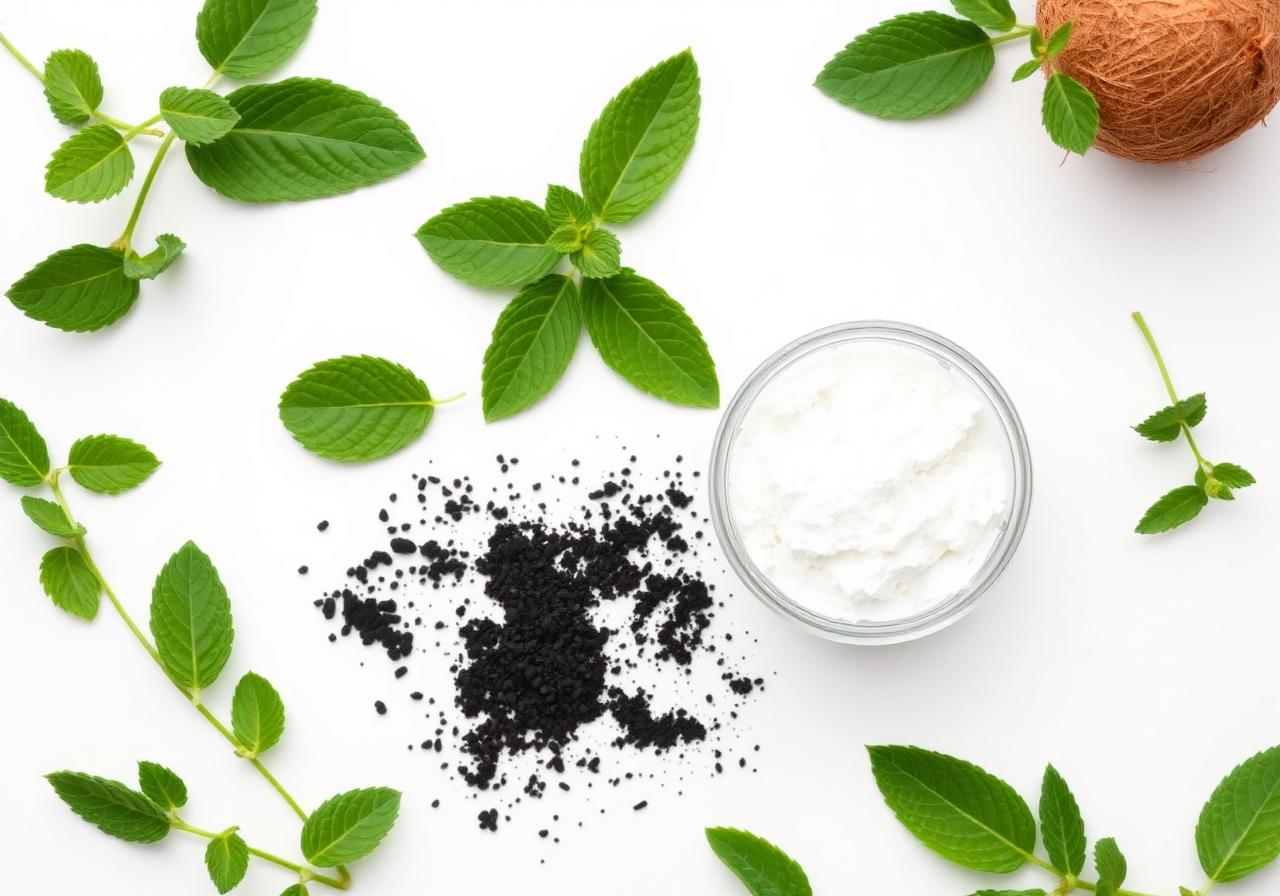
- ●Skip abrasive whitening and charcoal formulas entirely
- ●Wait 30 minutes after acidic food or drink before brushing
- ●Give any new sensitivity paste a full two to four weeks before judging it
"Sensitivity is a symptom of exposure, not weakness. Seal the surface and it settles."
Frequently asked questions
What is the best natural toothpaste for sensitive teeth?
An SLS-free formula with 10% nano-hydroxyapatite or arginine. Both occlude the exposed dentin tubules that cause cold sensitivity, without the detergents that irritate soft tissue.
How long does sensitivity toothpaste take to work?
Two to four weeks of consistent twice-daily use. If a single tooth still hurts after that, have it examined — that pattern suggests a crack or decay rather than general sensitivity.
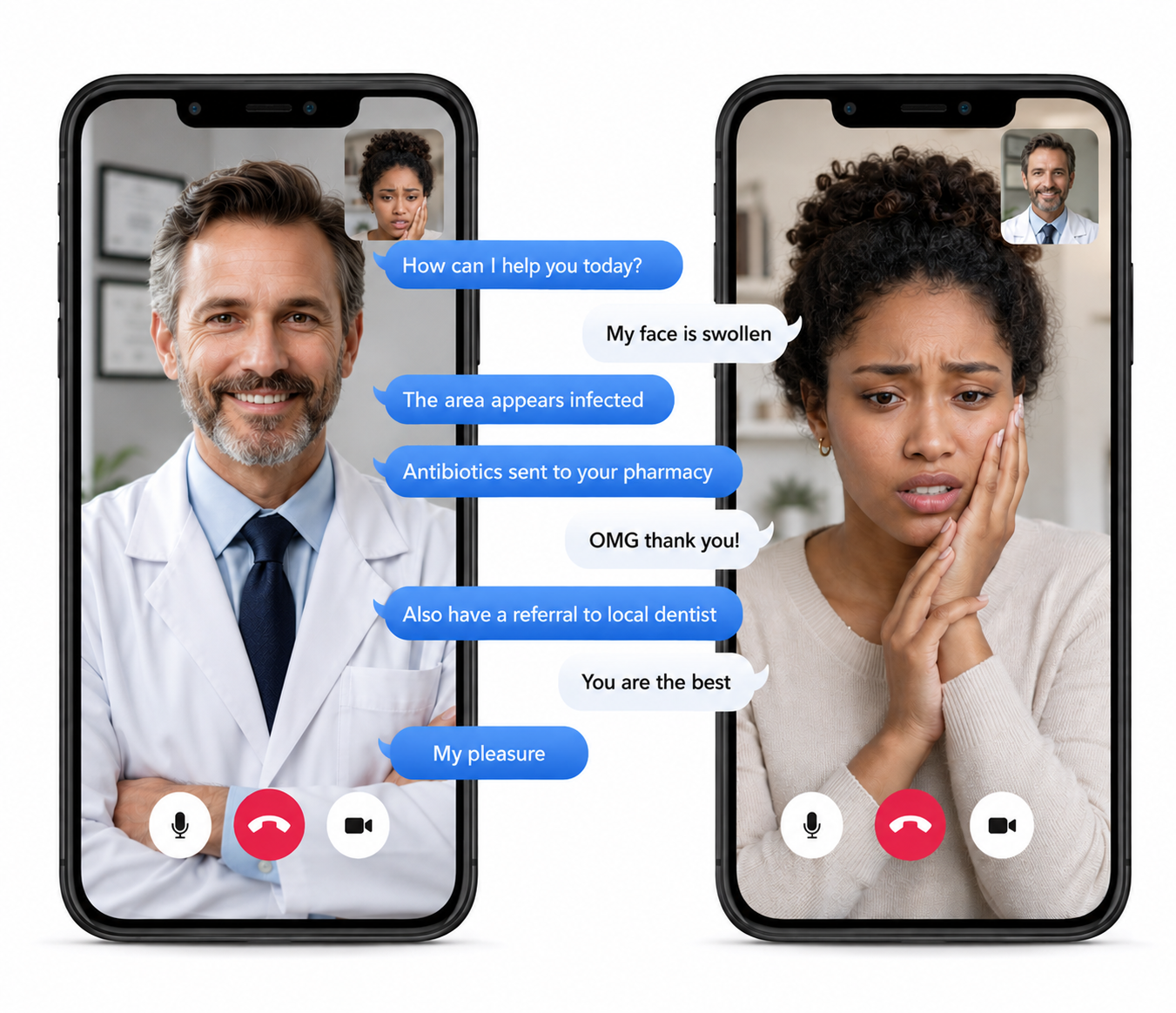
An SLS-free paste with 10% nano-hydroxyapatite, a soft brush, and lighter pressure resolves most everyday sensitivity within a month. Persistent pain in one tooth is a dentist visit, not a toothpaste problem.