Our verdict
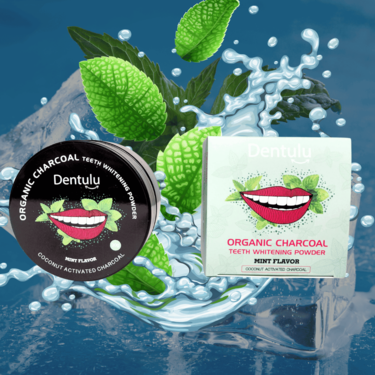
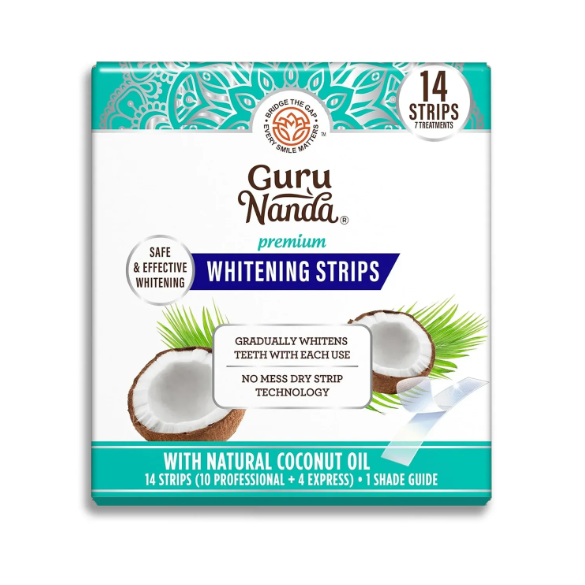
If your teeth are stained from coffee, tea, or wine, charcoal powder used two or three times a week will lift that film. If your teeth are naturally yellow or grey, only peroxide will move the shade. Strips win on measurable whitening; charcoal wins on gentleness and daily maintenance.
Side by side
| Charcoal powder | Whitening strips | |
|---|---|---|
| What it removes | Extrinsic surface stain | Intrinsic and extrinsic discoloration |
| Active | Activated charcoal, bentonite | Hydrogen or carbamide peroxide |
| Visible result | 1–2 shades at best | 2–6 shades |
| Sensitivity risk | Low | Moderate — common and temporary |
| Abrasion risk | Real if used daily or scrubbed | Minimal |
| Recommended frequency | 2–3× per week | Course of 7–14 days, 2× per year |
Choose Charcoal powder if
- Coffee, tea, and wine stain
- Sensitive users who cannot tolerate peroxide
- Between-treatment upkeep
Choose Whitening strips if
- Genuine shade change
- Events with a deadline
- Even, full-arch results
Common questions
Does charcoal damage enamel?
Charcoal powders vary widely in abrasivity, and enamel does not grow back. Use light pressure, a soft brush, and no more than a few times a week — and never on exposed root surfaces.
Can I use strips and charcoal in the same week?
Yes, but not the same day. Peroxide leaves enamel temporarily more porous; adding abrasion on top is the fastest route to sensitivity.