Our verdict
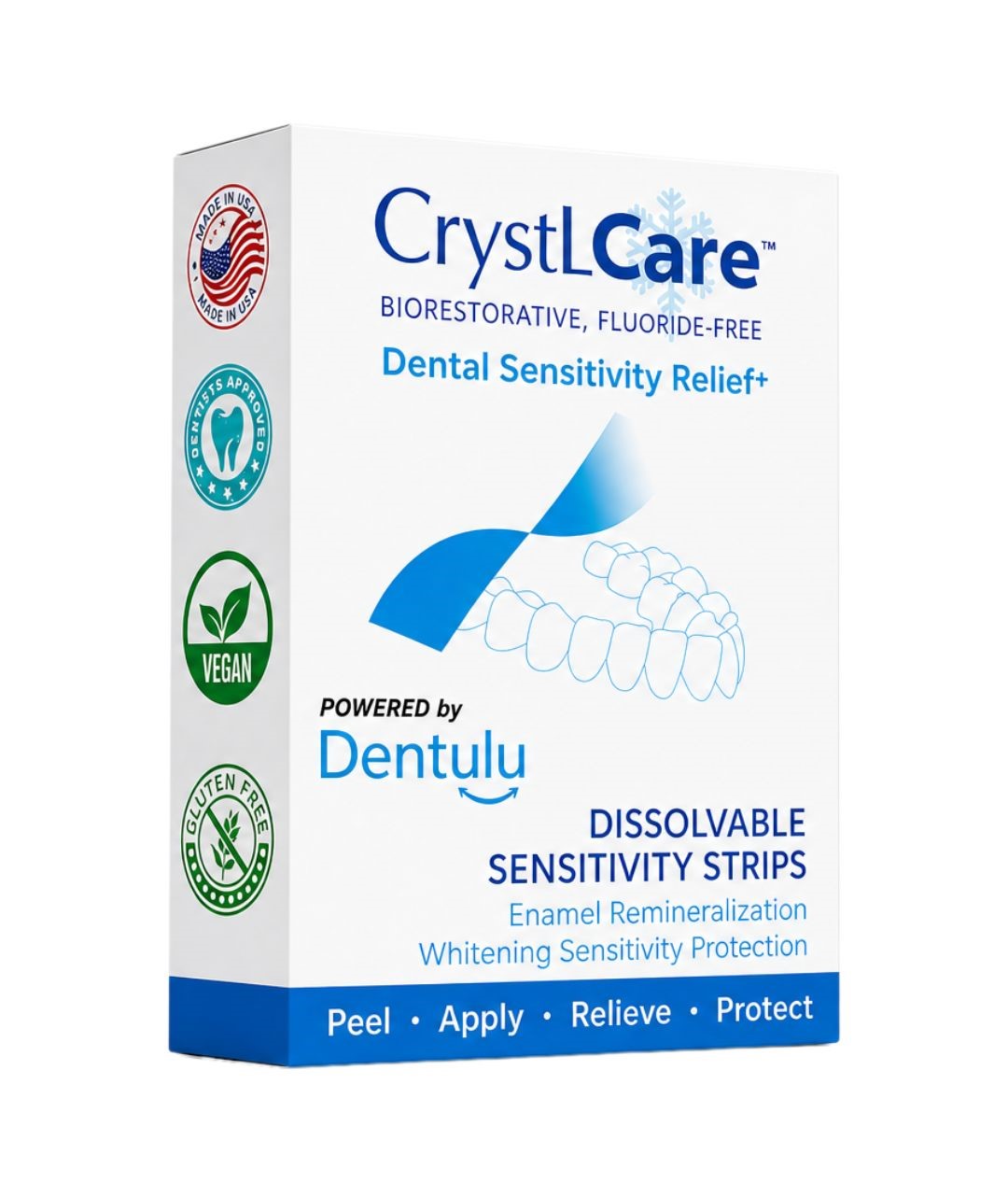
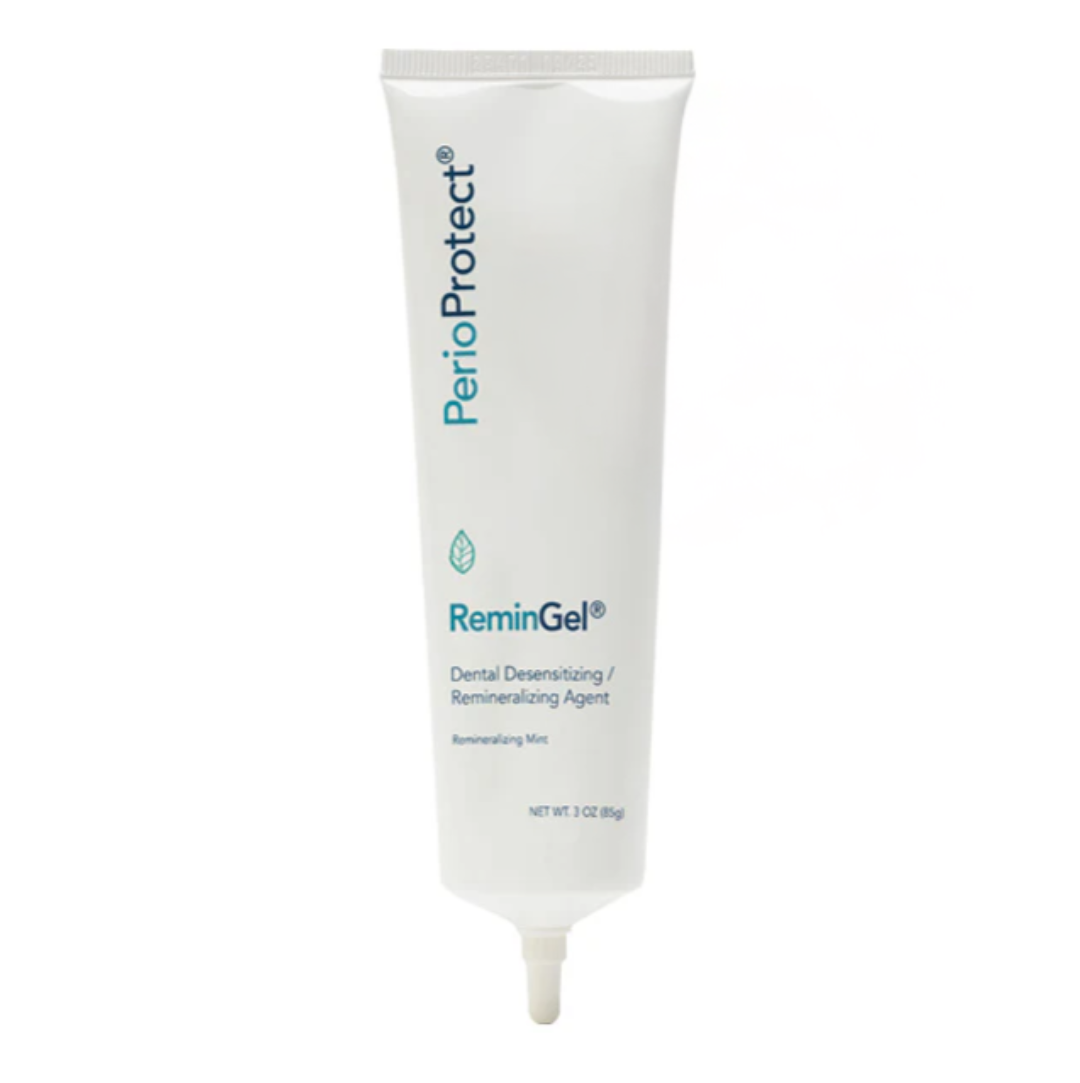
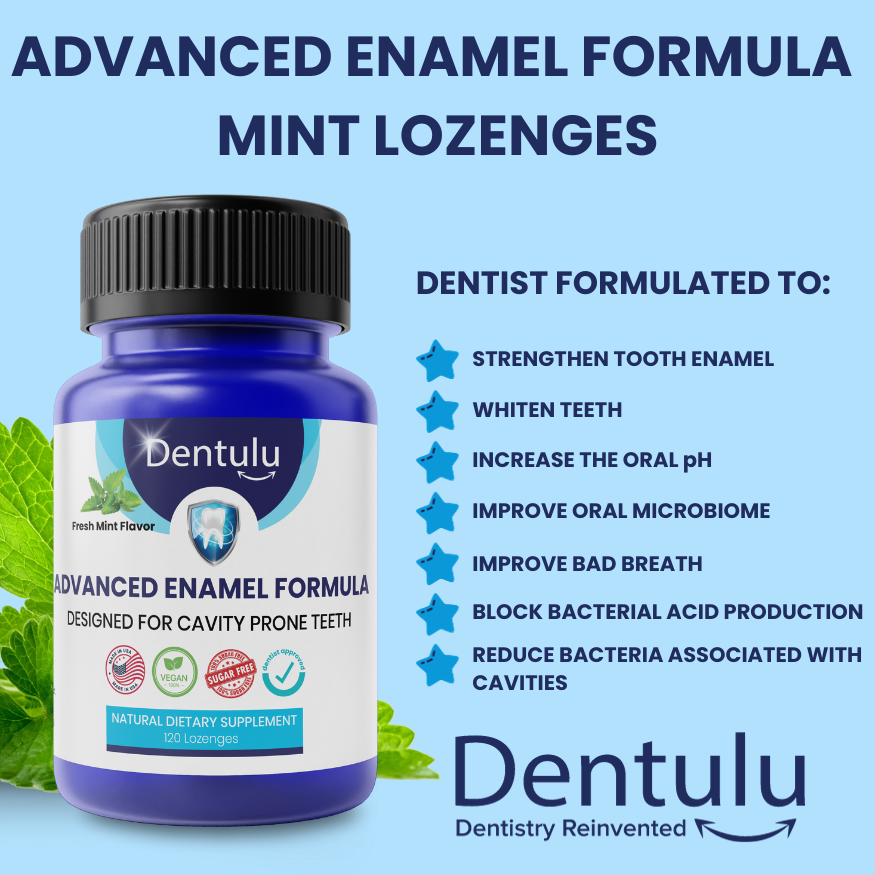
For fast relief in the first week, Sensodyne's potassium nitrate usually wins. For durable relief over a month or more — and for anyone also trying to rebuild worn enamel — hydroxyapatite tends to hold up better. Many people start with Sensodyne and transition once the acute pain settles.
Side by side
| Sensodyne | Hydroxyapatite | |
|---|---|---|
| How it works | Calms the nerve signal | Seals exposed dentin tubules |
| Time to relief | 3–7 days | 2–4 weeks |
| Addresses enamel loss | No | Yes |
| Fluoride included | Usually yes | Usually no |
| Contains SLS | Some formulas | Rarely |
| Availability | Every drugstore | Mostly online / specialty |
Choose Sensodyne if
- Acute, sharp cold sensitivity
- You want a drugstore option tonight
- You also want fluoride
Choose Hydroxyapatite if
- Sensitivity from enamel wear or recession
- Long-term maintenance
- Avoiding SLS and fluoride
Common questions
Can I use them together?
Yes, and it is a reasonable protocol: Sensodyne morning, hydroxyapatite night, for a month. Stop and see a dentist if sensitivity localizes to one tooth or lingers more than 30 seconds — that pattern suggests a crack or a dying nerve, not general sensitivity.
Why did my sensitivity come back after stopping Sensodyne?
Potassium nitrate suppresses the nerve response rather than repairing the tooth, so the effect fades within days of stopping. That is the main argument for a remineralizing paste alongside it.