Our verdict
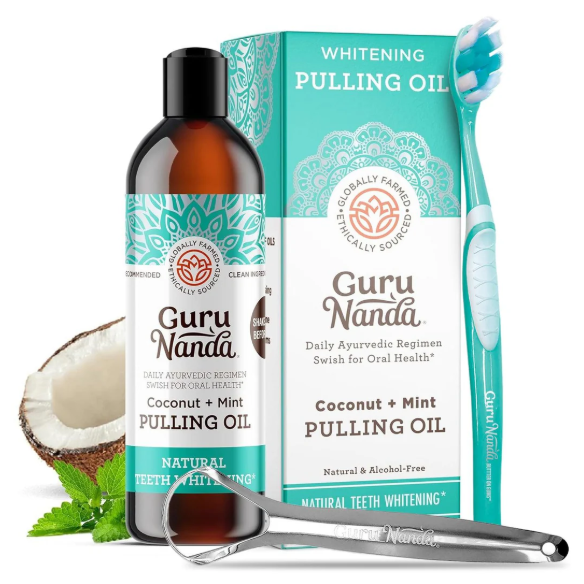
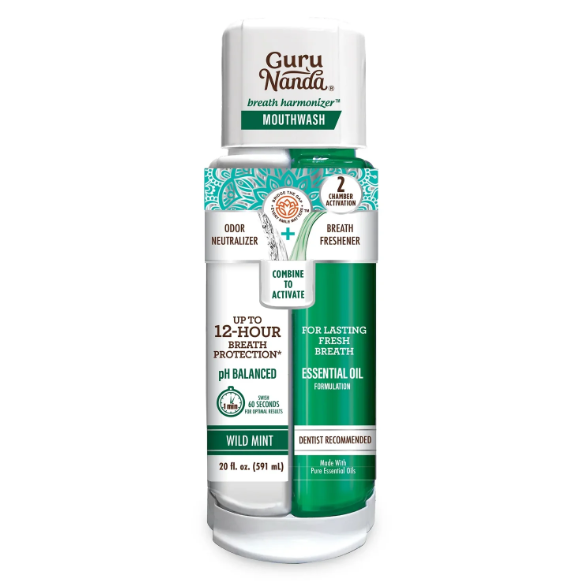
Neither replaces brushing and flossing. Oil pulling is a low-risk addition with modest evidence for plaque and breath. A well-chosen mouthwash — alcohol-free, ideally with cetylpyridinium chloride or fluoride — does more in less time. An alcohol-heavy mouthwash can make dry mouth and breath worse.
Side by side
| Oil pulling | Mouthwash | |
|---|---|---|
| Time per use | 10–20 minutes | 30–60 seconds |
| Evidence for plaque | Small trials, modest effect | Well-documented for CPC/chlorhexidine |
| Breath control | Mild, sustained | Immediate, sometimes short-lived |
| Dry mouth risk | None | High with alcohol formulas |
| Whitening | Anecdotal only | Minimal unless peroxide-based |
| Cost | Low | Low to moderate |
Choose Oil pulling if
- Dry mouth sufferers
- People avoiding alcohol formulas
- A slower morning routine
Choose Mouthwash if
- Fast, measurable plaque control
- Post-procedure care your dentist prescribes
- Same-minute fresh breath
Common questions
Does oil pulling whiten teeth?
There is no controlled evidence that it changes tooth shade. Any brightening people notice is likely reduced surface film rather than whitening.
Should mouthwash be used right after brushing?
If you use a fluoride toothpaste, rinsing immediately washes away the fluoride still working on your enamel. Use mouthwash at a different time of day.