Our verdict
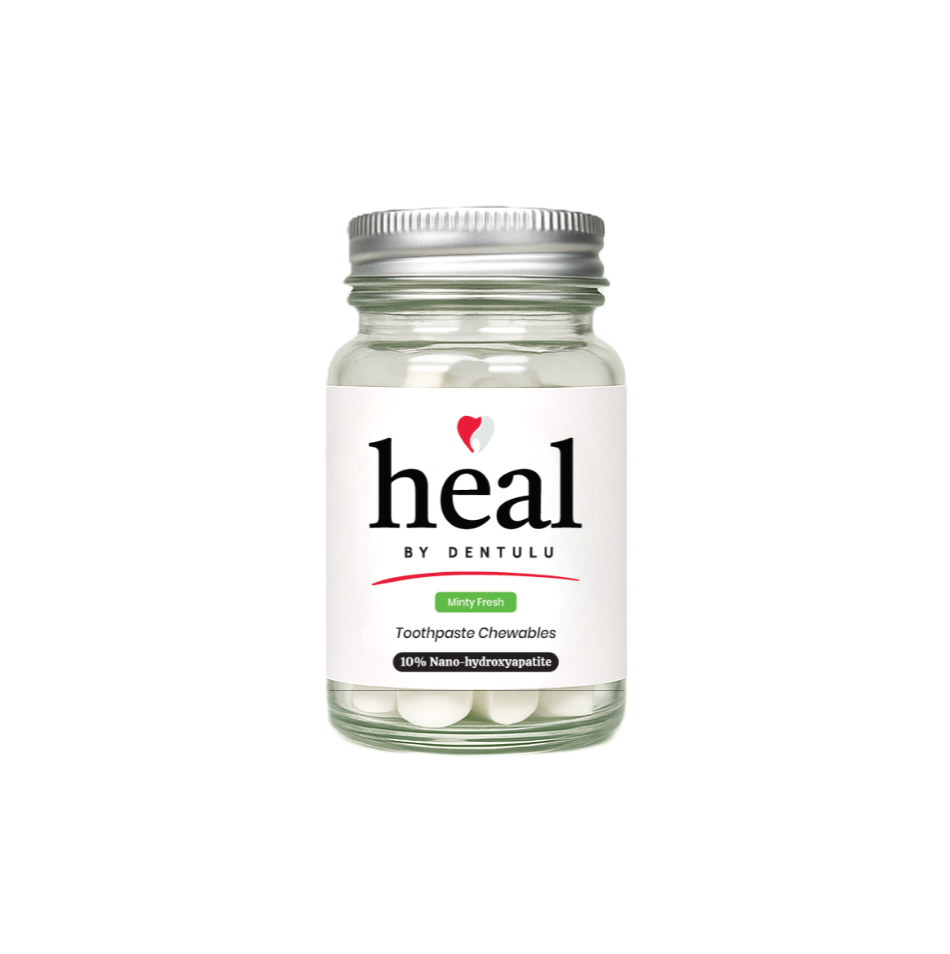
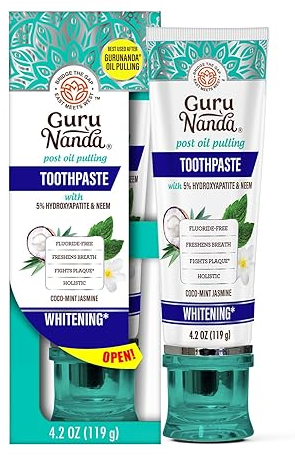
Tablets are a genuinely good option for travel, for plastic reduction, and for people who over-squeeze the tube. If they carry the same actives — hydroxyapatite or fluoride at a real concentration — cleaning performance is comparable. Cost per brush is the real trade-off: tablets usually run higher.
Side by side
| Tablets | Traditional paste | |
|---|---|---|
| Actives available | Hydroxyapatite, fluoride, xylitol | Full range including prescription strength |
| Foam / feel | Grainy at first, then foams | Familiar from the first second |
| Travel / TSA | Not a liquid — no restrictions | Restricted over 3.4 oz |
| Packaging waste | Glass or refill pouch | Mixed-material tube, rarely recycled |
| Cost per brush | Higher | Lower |
| Dose control | Exact, one tablet | Most people use 3× too much |
Choose Tablets if
- Frequent travelers
- Plastic-free households
- Anyone who wastes paste
Choose Traditional paste if
- Budget-first shoppers
- Prescription-strength needs
- Texture traditionalists
Common questions
Do tablets clean as well as paste?
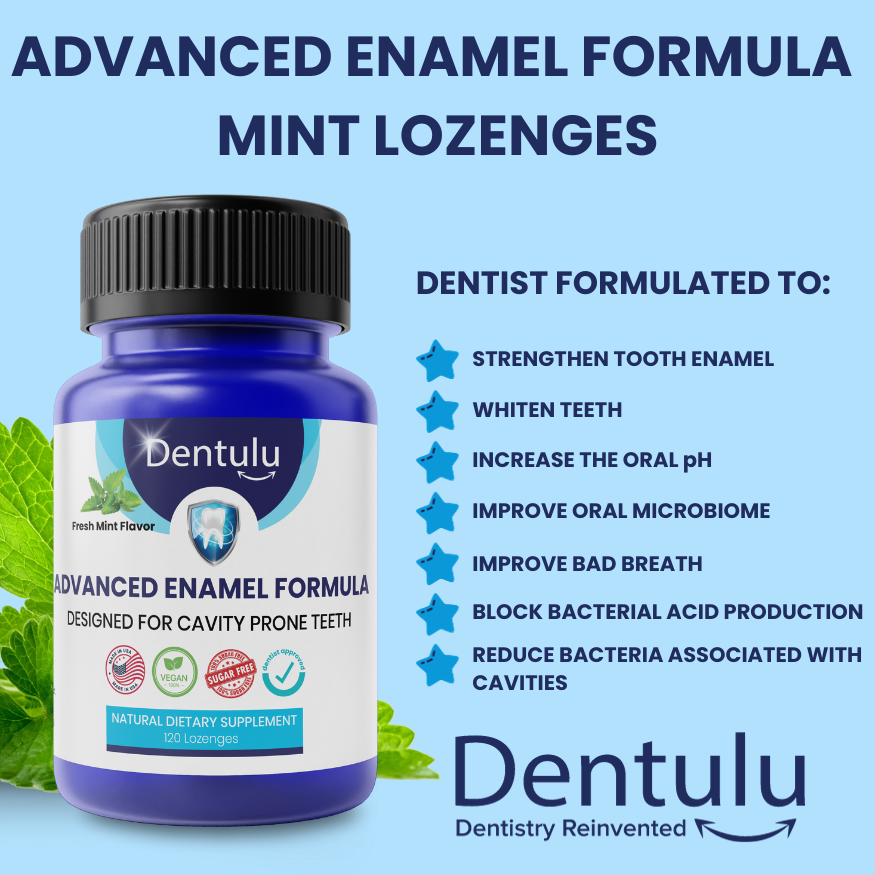
Mechanical cleaning comes from the brush, not the paste, so the deciding factor is whether the tablet delivers a real dose of a remineralizing active. Read the panel — plenty of tablets are flavored abrasive and nothing else.
Are tablets good for kids?
Only for children old enough to chew safely without swallowing whole, generally around six and up, and always supervised.