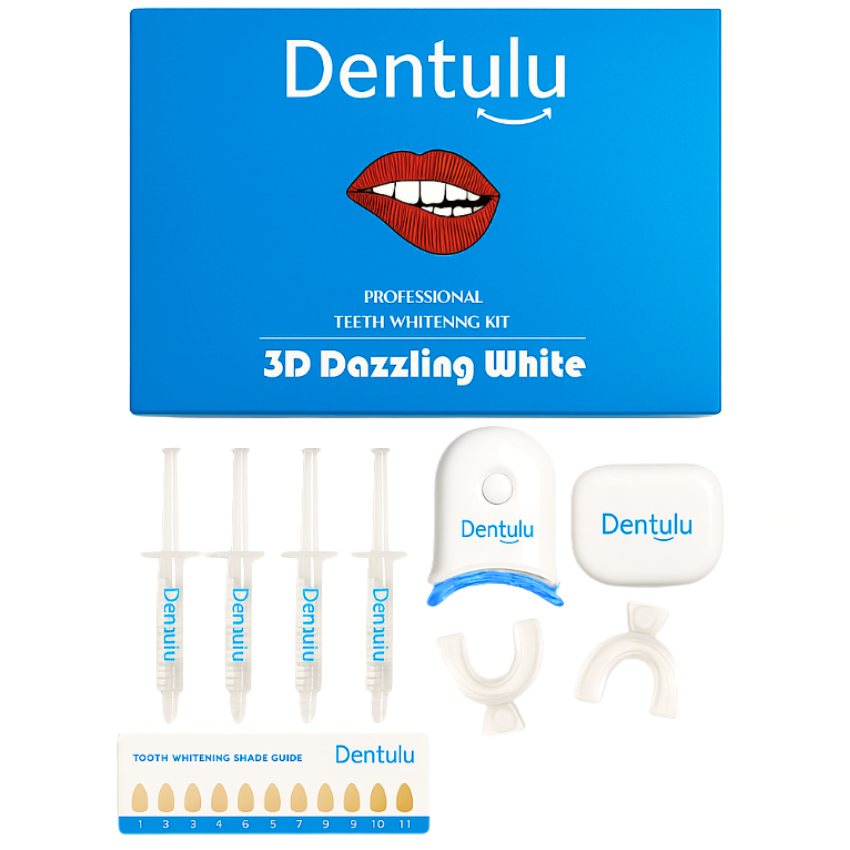
The verdict
An at-home kit that delivers a real, visible shade change if you complete the course. Sensitivity during treatment is common and temporary. It will not match in-office whitening, but it costs a fraction of it.
Coffee, tea, and wine discoloration on otherwise healthy teeth, with a few weeks of runway.
You have untreated decay, active gum disease, crowns on your front teeth, or ongoing sensitivity.
Set expectations correctly
Peroxide changes the color of natural enamel and dentin. It does not touch crowns, veneers, or composite fillings — which is why people who whiten sometimes end up with front teeth that no longer match older restorations. Plan restorations after whitening, not before.
Managing sensitivity
If teeth start twinging, do not push through daily. Alternate days, and use a potassium nitrate or hydroxyapatite paste between sessions. Sensitivity from whitening is reversible; enamel damage from over-treating is not.
Keeping the result
Six to twelve months is typical before staining creeps back, faster for daily coffee drinkers. A charcoal or polishing powder a couple of times a week extends it without repeating the full course.
What we liked
- Visible multi-shade change when completed
- Far cheaper than in-office
- Full-arch coverage
What we didn't
- Temporary sensitivity is common
- No effect on crowns or fillings
- Requires consistency over a full course
Common questions
How white will my teeth get?
Two to six shades is the realistic band, depending on starting color and whether the discoloration is surface stain or intrinsic.
Is it safe for enamel?
Peroxide at consumer concentrations is well studied and does not permanently damage enamel when used as directed. Over-using it beyond the recommended course is where problems begin.